➤ मरीज को घर से एम्बुलेंस द्वारा ले जाने की सुविधा उपलब्ध है.. कॉल करें +918090178428
Emergency Line: +91 8090178428 OPD Timings 7 Days : 10:00 am - 6:00 pm

Sleep Disorder Treatment in Lucknow

Compassionate, Evidence-Based Psychiatric Care at Nischay Hospital

Expert Sleep Disorder Treatment in Lucknow — Because Rest Is Not a Luxury. It's a Medical Right.

Millions of people go through each day running on empty — foggy minds, exhausted bodies, and no real explanation for why sleep just won't come. If you've tried everything from warm milk to melatonin gummies and still wake up feeling like you haven't rested at all, the problem may be deeper than stress or a bad mattress.

At Nischay Hospital, we offer evidence-based sleep disorder treatment in Lucknow — bringing together sleep specialists, cutting-edge diagnostics, and compassionate care under one roof so you can finally wake up feeling like yourself again.

Depression and anxiety treatment at Nischay Hospital

What Are Sleep Disorders?
Depression and anxiety treatment at Nischay Hospital

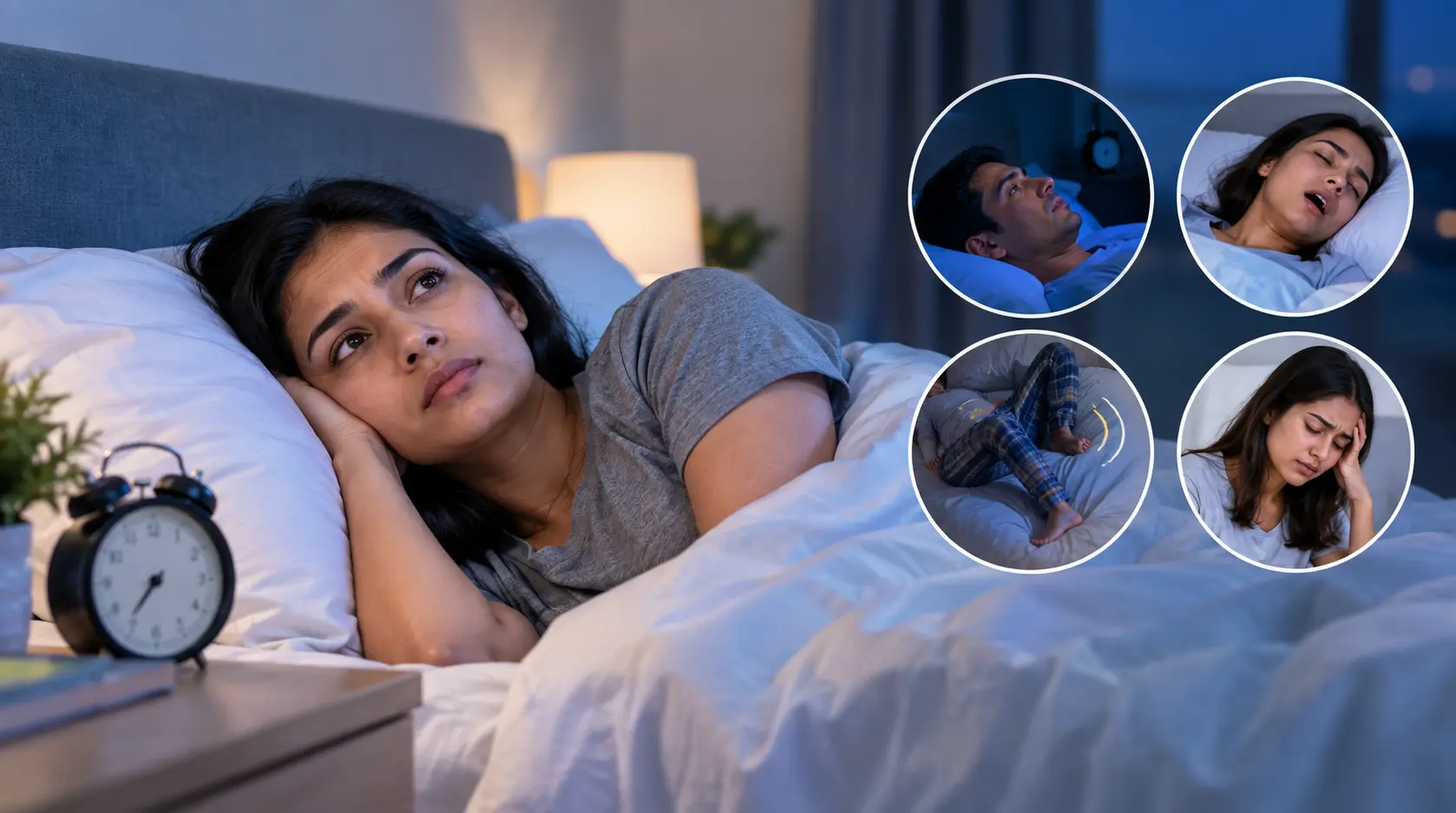
Sleep disorders are medical conditions that affect the quality, timing, and duration of your sleep — and by extension, your physical health, mental clarity, and daily functioning. They are far more common than most people realise, yet far too often left undiagnosed and untreated.

Poor sleep is not a personality flaw or a sign of laziness. It is a health condition — and it deserves the same medical attention as any other.
Types of Sleep Disorders We Treat

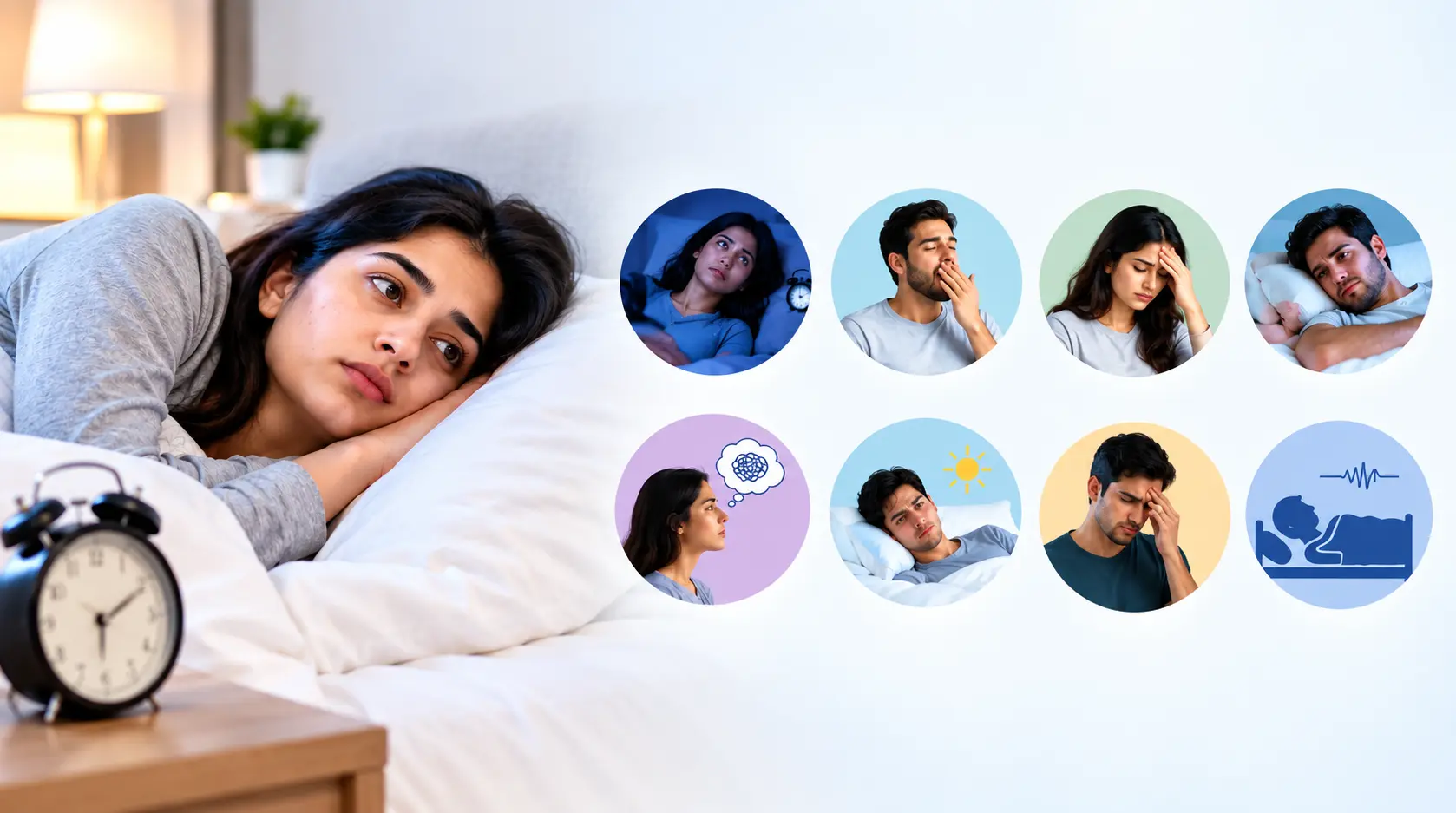
Understanding which condition you are dealing with is the first step to real recovery. Here are the most common types of sleep disorders our specialists diagnose and treat:

Insomnia

Difficulty falling asleep, staying asleep, or waking far too early. Affects mood, concentration, and long-term health.

Obstructive Sleep Apnea (OSA)

Repeated episodes where breathing partially or fully stops during sleep, causing dangerous drops in oxygen levels and fragmented rest.

Restless Leg Syndrome (RLS)

An overwhelming urge to move the legs, especially at night, making it nearly impossible to fall or stay asleep.

Narcolepsy

Excessive daytime sleepiness and sudden, uncontrollable episodes of falling asleep during the day.

Parasomnias

Abnormal behaviours during sleep such as sleepwalking, night terrors, sleep talking, or acting out dreams.

Circadian Rhythm Disorders

A misalignment between your internal body clock and the external environment — common in shift workers and frequent travellers.

Hypersomnia

Excessive sleepiness even after long hours of sleep, significantly impacting daily life and work.

If you recognise yourself in any of the above, you are not alone — and more importantly, you are not without options.

Recognising Sleep Disorders Symptoms

Many people dismiss their sleep struggles as "just stress" or "a phase." But persistent sleep disorders symptoms can signal an underlying medical issue that worsens over time if left untreated. Watch for these warning signs:

Eating disorder mental health support
  • Waking up tired despite 7–9 hours in bed
  • Loud snoring, gasping, or choking during sleep (often reported by a partner)
  • Difficulty concentrating, memory lapses, or brain fog during the day
  • Mood swings, irritability, or unexplained anxiety
  • Falling asleep unintentionally during the day — while driving, reading, or working
  • Creeping, crawling, or uncomfortable sensations in the legs at night
  • Frequent nightmares or waking episodes with confusion

One or two of these occasionally? That may be normal. But if these symptoms occur regularly and affect your daily life, it's time to speak to a specialist.

How We Diagnose Your Sleep Condition

At Nischay Hospital, we believe accurate diagnosis is everything. Guesswork has no place in healthcare. Our diagnostic approach includes:

Detailed Sleep History Assessment

Our specialists conduct a thorough clinical interview exploring your sleep patterns, medical history, lifestyle habits, and the impact on your daily functioning.

Sleep Diaries & Questionnaires

Standardised tools like the Epworth Sleepiness Scale and Pittsburgh Sleep Quality Index help us quantify and track your symptoms objectively.

Polysomnography (Sleep Study)

A comprehensive overnight sleep study that monitors your brain activity, heart rate, breathing patterns, oxygen levels, eye movements, and muscle activity — giving us a detailed picture of exactly what happens while you sleep.

Home Sleep Apnea Testing

For select patients, convenient at-home diagnostic devices can screen for obstructive sleep apnea without an overnight hospital stay.

Additional Investigations

Blood tests, thyroid panels, and neurological assessments when clinically indicated to rule out or identify contributing medical conditions

Our Treatment Approach — Personalised, Not Packaged

No two patients sleep the same way — and no two treatment plans at Nischay Hospital are the same either. After a thorough diagnosis, our specialists design a care plan built specifically around your condition, lifestyle, and goals.

Cognitive Behavioural Therapy for Insomnia (CBT-I)

The gold-standard, non-medication therapy for chronic insomnia. CBT-I helps you identify and restructure the thoughts and habits that keep your brain wired at night.

CPAP / BiPAP Therapy

For patients with obstructive sleep apnea, Continuous Positive Airway Pressure therapy keeps the airway open through the night — often delivering dramatic improvements in energy, mood, and cardiovascular health from the very first week of use.

Pharmacological Treatment

Where medication is appropriate, our specialists prescribe the most current, evidence-based options — and always monitor closely to minimise dependence and side effects.

Sleep Hygiene Counselling

Practical, science-backed lifestyle guidance on sleep schedules, light exposure, diet, exercise, and bedroom environment that makes a measurable difference.

Sleep Therapy in Lucknow — Mind & Body Together

Our sleep therapy in Lucknow integrates psychological support alongside physical treatment, because anxiety, depression, and sleep disorders are deeply interlinked. Treating the whole person — not just the symptom — is what sets our outcomes apart.

Why Untreated Sleep Disorders Are Dangerous

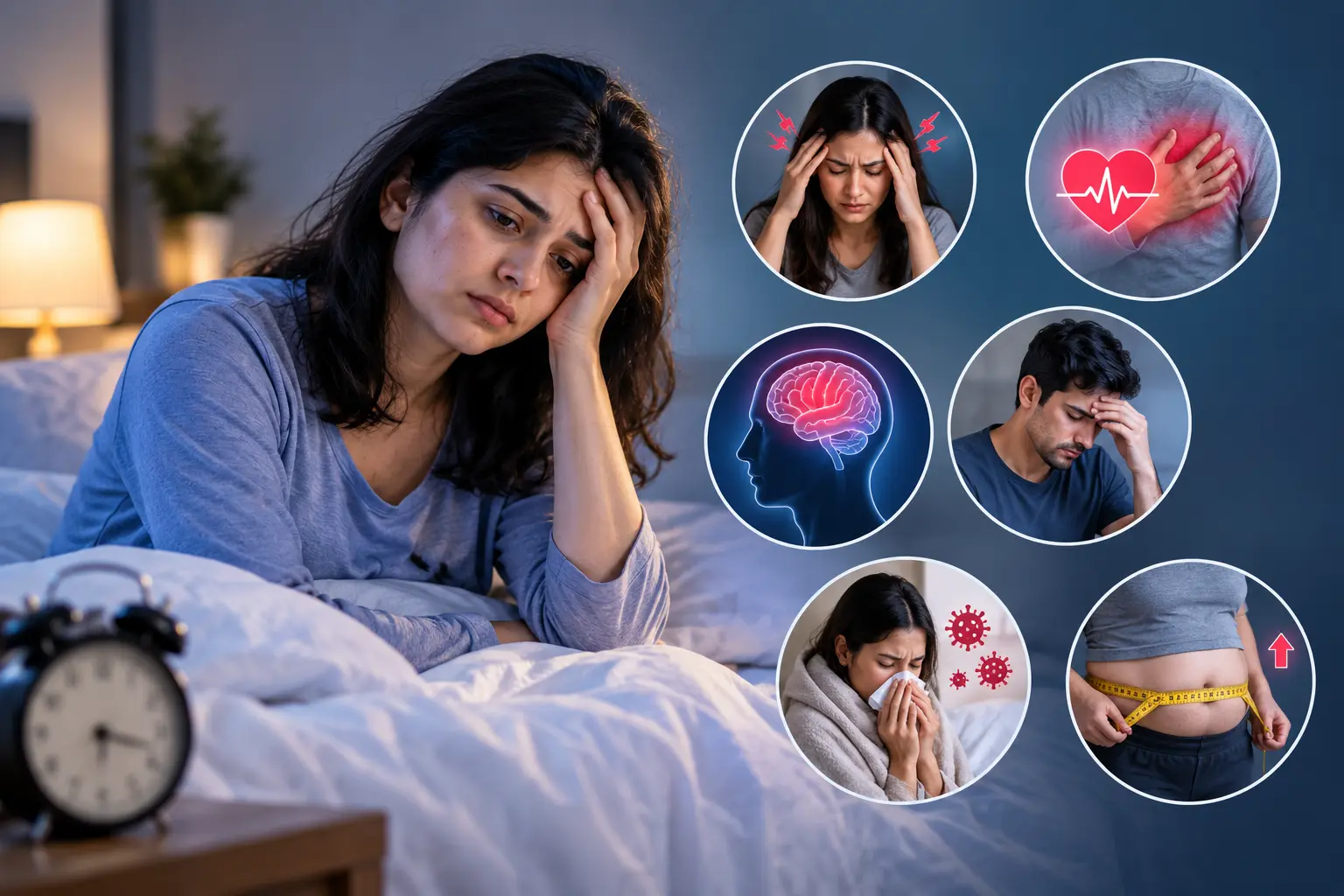
This is not about feeling tired. Chronic, untreated sleep disorders raise the risk of serious, life-altering health conditions:

  • Heart disease and high blood pressure — Sleep apnea strains the cardiovascular system every single night
  • Type 2 diabetes — Poor sleep disrupts insulin sensitivity and blood sugar regulation
  • Stroke — The oxygen drops caused by sleep apnea significantly increase stroke risk
  • Obesity — Sleep deprivation disrupts hunger hormones, driving overeating
  • Depression and anxiety — A vicious cycle where poor sleep worsens mental health, and mental health worsens sleep
  • Road and workplace accidents — Drowsy driving is as dangerous as drunk driving

Getting treatment is not about comfort. It's about protecting your long-term health.

Talk to a mental health professional at Nischay Hospital

Why Choose Nischay Hospital?

Lucknow residents deserve world-class sleep care — and that is exactly what we are built to deliver.

Specialist-led care

Our sleep medicine team includes experienced neurologists, pulmonologists, and psychiatrists working collaboratively on complex cases

Advanced diagnostics

Full polysomnography and home sleep testing facilities in-house

Evidence-based protocols

Every treatment we offer is grounded in current clinical research and international guidelines

Holistic treatment philosophy

We address sleep, mental health, and physical wellness together

Patient-first approach

We take the time to listen, explain, and involve you in every decision about your care

Convenient location

Accessible to patients across Lucknow and surrounding areas

You should not have to travel to another city for exceptional sleep medicine. It's right here.

Your Journey to Better Sleep — Step by Step

01

Book a Consultation

Call us or book online. Our team will schedule you with the right specialist based on your symptoms.

02

Initial Assessment

Your specialist reviews your full medical history, sleep patterns, and lifestyle. You may be given a sleep diary or questionnaire to complete before your sleep study.

03

Diagnostic Testing

Depending on your symptoms, you may undergo an in-clinic polysomnography or a home sleep test.

04

Personalised Treatment Plan

Your doctor walks you through the findings and co-creates a treatment plan tailored to your needs — whether that is therapy, CPAP, medication, or a combination.

05

Follow-Up & Monitoring

Sleep treatment is a process, not a single event. We schedule regular follow-ups to track your progress, adjust your plan, and make sure you're genuinely improving.

Ready to Sleep Better? We're Ready to Help.

You've spent enough nights staring at the ceiling. The team at Nischay Hospital is here — experienced, equipped, and genuinely invested in helping you reclaim your rest and your health.

Book your sleep consultation today. Because every night of poor sleep is a night you deserve back.

FAQs

If you have been experiencing poor sleep — difficulty falling asleep, staying asleep, or feeling unrefreshed after sleep — for more than three weeks, and it is affecting your mood, concentration, work, or relationships, it is time to consult a specialist. Self-help measures like improving sleep hygiene are a good start, but persistent symptoms often point to an underlying condition that needs a proper diagnosis and medical management.

Most patients find a sleep study more comfortable than they expect. During an in-clinic polysomnography, you sleep in a private, quiet room while sensors gently monitor your brain waves, breathing, and body movements throughout the night. You are not confined or restrained in any way. For eligible patients, we also offer a home sleep apnea test, which is even more convenient and can be done in your own bed.

It depends on the type and cause. Some sleep disorders — such as insomnia treated with CBT-I — can be fully resolved with the right therapy and sustained lifestyle changes. Others, like obstructive sleep apnea, may require ongoing management (such as continued CPAP use), but with proper treatment, patients typically experience dramatic improvements in quality of life, energy, and health outcomes. Your specialist will give you a realistic, personalised picture of what to expect.

Absolutely not. Many sleep disorders are treated very effectively without medication. Cognitive Behavioural Therapy for Insomnia (CBT-I), CPAP therapy for sleep apnea, sleep hygiene counselling, and lifestyle modifications are all first-line treatments in many cases. Medication is used when clinically appropriate and is always prescribed with careful monitoring. Our goal is always to find the most effective, sustainable solution for you — not the quickest one.

This varies by condition and treatment type. Many patients using CPAP therapy for sleep apnea notice significant improvement in energy and mood within the first one to two weeks. CBT-I for insomnia typically shows meaningful results over four to eight weeks of consistent practice. Lifestyle changes may take slightly longer but produce lasting benefits. Your treating specialist will set realistic timelines and check in with you regularly to ensure you are on track.
WhatsApp us